Your water system stopped keeping up — here's what's happening in Huerfano County
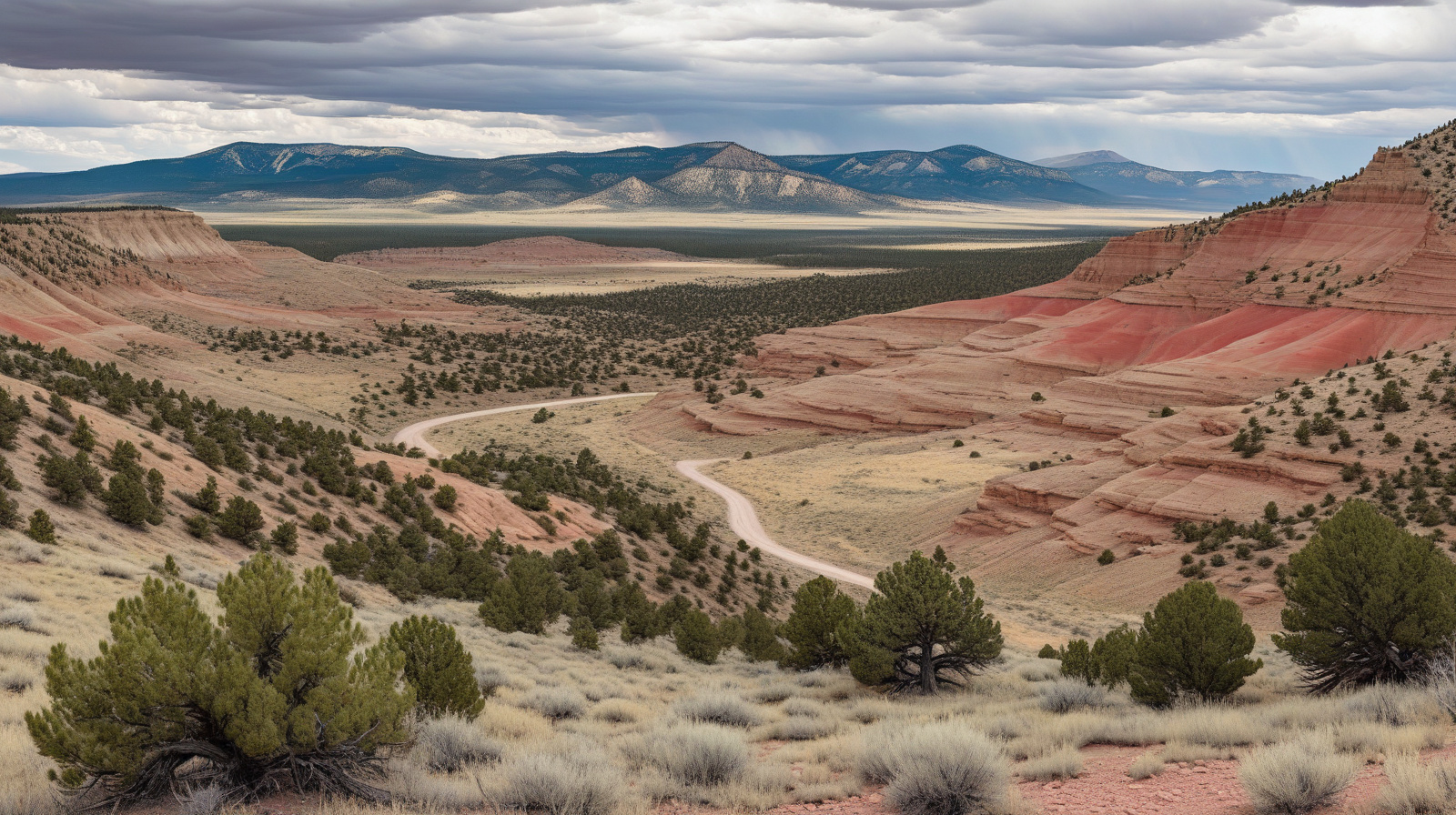
Huerfano County stretches from the high Culebra and Sangre de Cristo ranges down to the dry plains east of Walsenburg, and the water systems out here reflect every bit of that range. Wells run deep on the eastern benchlands, springs feed cisterns up in the Cuchara valley, and the Arkansas Basin rules shape what you can legally pump and where. Water Works Plus has worked across this county for over 15 years and can tell you plainly what's wrong, what it costs to fix, and whether you need someone other than us.
- National Ground Water Association
- Colorado Water Well Contractors Association
- Bonded & insured
- Free estimates and project quotes
What you're noticing
The symptoms rural Huerfano County properties see most
Most calls we get aren't about a sudden failure — they're about something that's been getting worse for weeks. Here's what those symptoms usually turn out to be.
What we do here
Services we provide in Huerfano County
Everything from the wellhead to where the line enters your building. Interior plumbing and well drilling are not our work — we link to what is below.
-
Pump service and replacement
Submersible pumps, jet pumps, and booster pumps — diagnosis, repair, and replacement. On the deep wells common east of Walsenburg and near Gardner, pulling a pump is a full day's job and we come prepared for it.
-
Pressure tank service
The pressure tank — the vessel that looks like a propane tank in your pump house or utility room — holds the air charge that keeps your pressure steady. When the bladder fails, the pump short-cycles and wears fast. Replacing the tank is usually the most economical fix on the list.
-
Water line repair and replacement
From the wellhead to the foundation. We locate buried lines, repair freeze damage and pinhole leaks, and replace failing galvanized or polybutylene runs. Huerfano County's rocky terrain and frost depth make trenching here a real job — we bring the equipment for it.
-
Cistern installation and repair
Spring-fed and delivery-filled cisterns are common up in the Cuchara and La Veta areas where well yields run low or seasonal. We install new tanks, repair existing ones, and set up the pump and line system that feeds your house from them.
-
Water filtration and treatment
Iron, sulfur, hardness, sediment — Arkansas Basin water can carry all of them. We size and install filtration systems matched to what's actually in your water, not a generic package. If you don't know what's in your water, that's where we start.
-
Septic system service
Huerfano County's rural lots are almost universally on private septic. We handle inspection, pumping, repair, and new system installation for properties outside municipal sewer reach — which is most of the county.
We work supply side only — well to the building envelope — and we do not drill wells, touch interior plumbing, service fixtures or water heaters, or work on drains.
How a call usually goes
What happens after you call — cheapest possibilities first
We name causes in order of what they cost to fix. That's not a sales tactic — it's just the honest way to work through a diagnosis.
-
You describe what you're seeing
When you call, tell us the symptom in plain terms — pressure cycling, no water, a wet yard, bad taste. We'll ask a few questions about your setup: well depth if you know it, tank age, when it started. That's usually enough to narrow the field before anyone drives out.
-
We check the simple electrical causes first
A blown fuse, a tripped breaker, a failed pressure switch, or a bad capacitor can kill your water and cost very little to fix. These are the first things we look at on site. They're also the cheapest things on the list.
-
We test the pressure tank
A waterlogged tank is one of the most common causes of pump problems in the county and one of the least expensive repairs. We check air charge and bladder condition before we ever talk about the pump itself.
-
We evaluate the pump
If the tank is fine and the electrical checks out, we look at the pump — amperage draw, output, whether it's pulling up water or air. Repair is often possible and is a fraction of replacement cost; we'll tell you honestly which situation you're in.
-
We assess the well itself
Low yield, sediment intrusion, or a collapsed casing are well conditions, not pump conditions. We can assess what the well is doing. If it needs drilling or re-completion work, we'll refer you to a licensed driller — we don't have a rig, which means we have no reason to push you toward one.
-
We give you a written estimate before any work starts
Free estimates and project quotes are how we work. You know what it costs and why before we touch anything. If you decide not to proceed, you're out nothing.
Free estimates, no obligation — call (719) 859-1148 and tell us what you're seeing.
- Free estimates — we quote after we diagnose
- One year on labor and materials
- Colorado License #1447
Why the cheap answer is safe to give
We can afford to tell you it is the cheap part
Not because we are nicer than the next outfit. Because of how this business is built — and all three of these are checkable.
-
No rig to keep busy
A drilling rig is the most expensive thing a water contractor can own, and it has to stay working to pay for itself. We do not own one. A new well is not on our list of answers, because we could not drill it if we wanted to.
-
We are a dealer, not a manufacturer
Authorized dealer — that is where the five-year equipment warranty comes from. We do not build pumps and we do not carry a quota on them. A pump we talk you out of costs us nothing.
-
A wrong diagnosis comes back to us
One year on labor and materials means we are the ones who drive back out if the fix does not hold. Guessing expensive is not only dishonest here — it is expensive for us.
None of that is a claim about our character. You do not have to take our word for any of it — the license, the association memberships and the warranty terms are all verifiable, and they are the same on paper as they are on this page.
Questions we get asked
Before you call
Pump replacement and pressure system work generally don't require a permit in Colorado, but any work that involves the well casing or drilling does. The Arkansas Basin also has its own water rights and augmentation rules that affect what you can do with your water. The well rules page for the Arkansas Basin covers the specifics — see the link on this page.
Deep wells on the eastern plains of Huerfano County are common, and yes, depth matters. Pulling a submersible pump from 500-plus feet takes longer and requires the right equipment and safety practices. It doesn't change whether the repair is possible — it changes how long the job takes and what we need to bring.
Yes. Cistern systems — whether spring-fed or filled by delivery — are common in the Cuchara and La Veta areas, and we work on them regularly. That includes the cistern itself, the pump that pressurizes your house, the lines, and any filtration on the spring feed.
Sulfur odor is almost always a water quality issue, not a structural well problem. It comes from hydrogen sulfide in the groundwater, which is common in parts of the Arkansas Basin. A properly sized treatment system removes it without any work on the well itself — and it's a much smaller cost than anything involving the casing or pump.
We cover all of Huerfano County, including the Gardner corridor and the eastern benchlands. Water Works Plus runs 75 miles from Weston, and Gardner falls within that range. Call us and we'll confirm your address before you plan your day around it.
A pump that runs without building pressure is either losing water somewhere in the line, pumping against a failing pressure tank, or struggling with a low-yield well. We work through those possibilities in order — the line and tank checks are the cheaper ones, and we do them first.
We can assess what the well is doing — yield, pressure, sediment — and tell you plainly what we see. If the well needs drilling or re-completion, we'll say so and refer you to a licensed driller. We don't drill wells ourselves, which means we have no financial stake in telling you that you need one.
One year on labor and materials for everything we install or repair. For equipment we supply as an authorized dealer, there's a five-year equipment warranty on top of that. We'll tell you what applies to your specific job before we start.
If your situation isn't covered above, call (719) 859-1148 — someone answers Monday through Saturday, 24 hours. Call (719) 859-1148
Before we arrive
Four things that help us move faster on site
You don't need to know anything about your well to call us — but if you have any of this handy, it shortens the diagnosis.
- Well depth and driller's log. If you have a copy of the original driller's report or permit, bring it out — it tells us formation, casing depth, and original yield, which helps us compare against what the well is doing now.
- Age and brand of your pressure tank and pump. Sometimes it's on a tag on the tank or stamped on the pump housing. Even a rough year helps us know whether we're diagnosing a component at the end of its life or something that should still have years on it.
- When the problem started and whether anything changed around that time. A hard freeze, a power outage, a period of heavy use, or a nearby construction project can all be relevant. The more specific you can be, the faster we can rule things out.
- Access to the wellhead and pump house. If the wellhead is buried under a cover or the pump house is locked, have that sorted before we arrive. In winter, knowing whether heat tape is on the lines is also useful.
If you don't have any of this, that's fine — we've worked with less and we'll figure it out.
Tell us what the water is doing.
We’ll tell you what it usually turns out to be, what it will take to confirm it, and what it costs — before we touch anything.
Call (719) 859-1148Answering 24 hours a day, Monday through Saturday
- Colorado License #1447 · bonded and insured
- One year on labor and materials, five on equipment
- Free estimates and project quotes — we quote after we diagnose
- NGWA and Colorado Water Well Contractors Association
Or have us call you back
If you are on bad signal or would rather not talk right now.